The theory behind nutritional ketosis is that by eating the lowest level of carbohydrate possible, keeping protein moderate, and replacing the carbohydrate by eating fat to satiety, the body receives enough energy while insulin secretion is kept at a minimum, thus allowing stored fat to be metabolized. The key is that carbohydrate stimulates insulin production the most and fat the least, and insulin is the body’s primary signal to store fat rather than burn it. Another important fact is that on a calorie-restricted diet, the body reacts by hanging on to stored fat and reducing the metabolic rate until food is abundant again. Put these two facts together, and it becomes clear that we want to eat fat to satiety, so that the body has abundant engergy and can still metabolize stored fat.
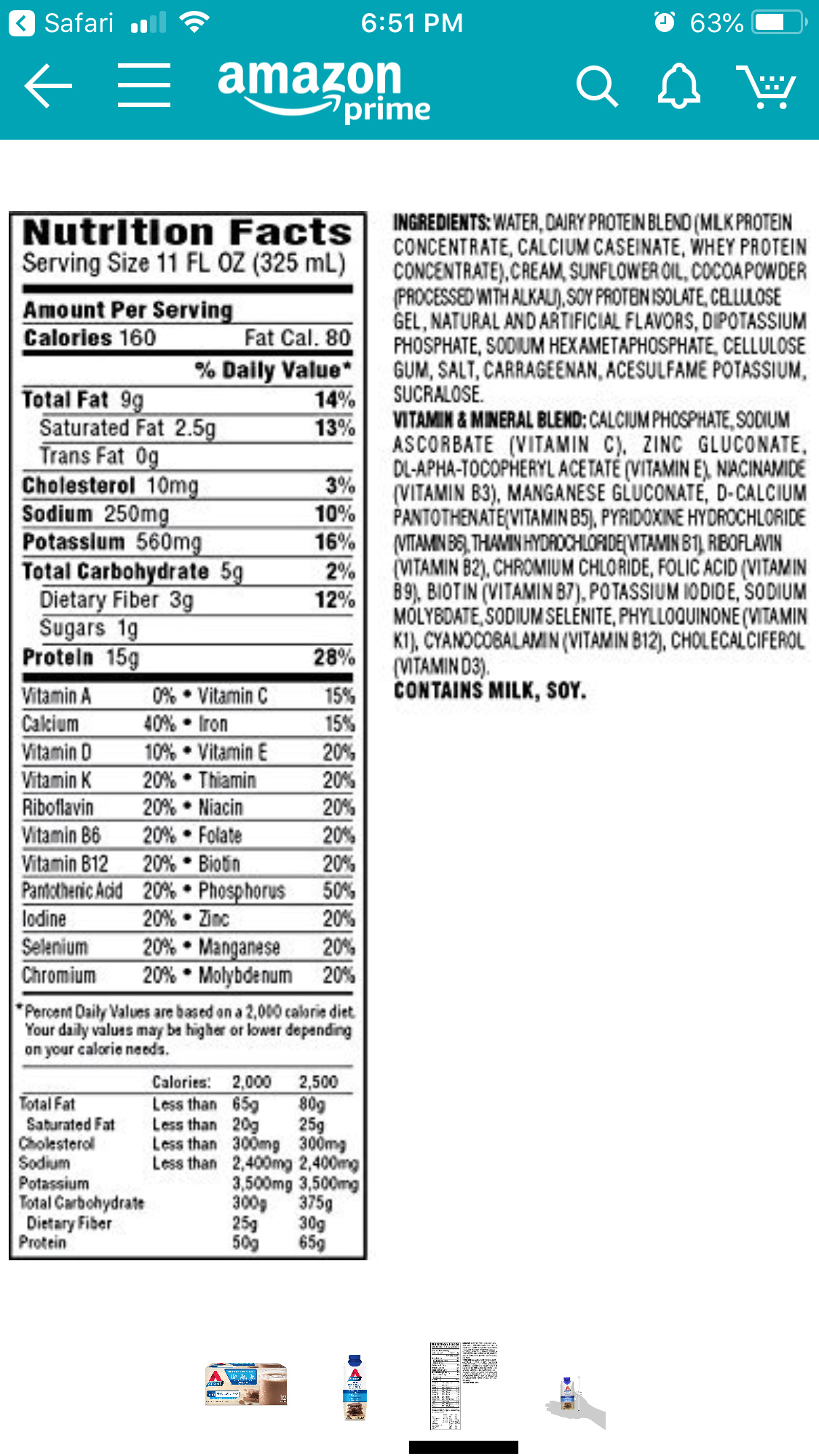
So in your case, look for more carbohydrate to eliminate from your diet (those shakes might be a problem), and increase the amount of fat you eat. Don’t count calories, but rather eat fat until you are no longer hungry. It might take a week or two of a higher calorie level than you are used to, but once your metabolic rate increases and your satiety signaling kicks in, you will automatically restrict your calories to a level at which the body can comfortably metabolize both the fat in your diet and the excess fat on your body. The beauty of eating this way is that there is no hunger involved, and once the body adapts to burning fat, energy levels are incredible.