After my first week on Keto - urine test strips still show Negative !?


(Bansaw) #1

I have just completed my 1st week on Keto.
I’ve been testing myself every day and been disappointed to see no ketones in my urine.
Is this normal, I thought I’d be showing some now.

I’ve followed the diet strictly.
The only indication something was happening was that I had leg cramps after a workout, but I got rid of them by simply getting a little magnesium & potassium.

Any comments?


(LeeAnn Brooks) #2

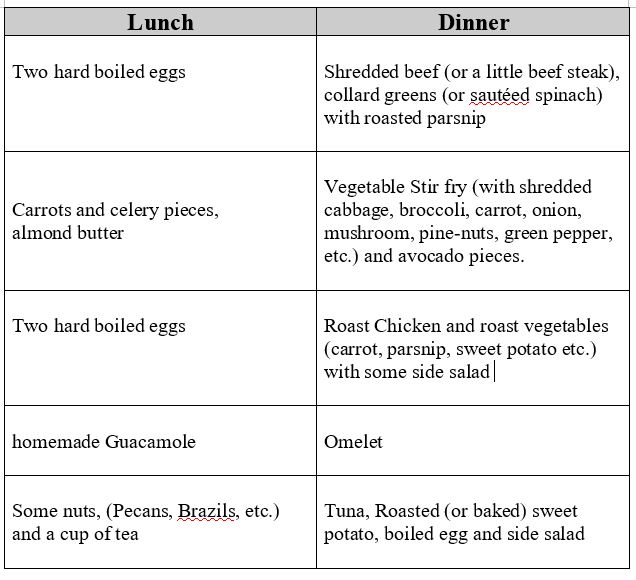
Can you give us a breakdown of a typical day’s meals? And your stats for weight, height, sex?

We maybe able to see if there any any issues that could be keeping you out of ketosis.


(TJ Borden) #3

Good call. Okay, I guess I can forgive the whole crispy bacon comment.


(Robert C) #4

Here is an especially good article on this sort of thing.

One really good point in the article is to think about things other than measures (from the post):

  • Can you go without a meal and maintain steady, even energy and concentration?
  • Are you losing body fat or happy with your body composition?
  • Are you thinking more clearly?
  • Has the keto flu come and gone?
  • Are aerobic activities easier than ever?

(LeeAnn Brooks) #5

You’ll be happy to know I went with a good medium between crispy and still having some soft fatty areas this morning.

That’s as close as you’re going to get me to limp bacon though.


(Bansaw) #6

thanks all…
here’s what I am eating (breakfasts are a little leftover from the previous evening. Snacks at random points during the day are just a handful of raw mixed nuts)


(TJ Borden) #7

That’s okay. Baby steps. :grin:


(Robert C) #8

Carrots, sweet potato, onions and green peppers are almost 100% carbs.

Here’s a good graphic to review:


(TJ Borden) #9

You need to add fat. You have some with the eggs and avocado but not enough. I’d also cut out the carrots and sweet potatoes for a while. You can probably have some carrot in a while, but sweet potatoes shouldn’t even be on your radar.


(Robert C) #10

Another thing to think about with vegetables is preparation.
Baked sweet potato is a big offender on this one - basically creates sugar.
People sometimes read the nutrition information of an uncooked sweet potato but then cut it into strips, add oil, some spice and bake it - turning into a candy bar.

They think they have found a wonder food but then spike their insulin.

https://www.huffingtonpost.com/entry/sweet-potato-baked-glycemic-index_us_5ac24af7e4b0f112dc9df44c

Homemade guacamole and sauteed leafy greens are always good to see on this sort of list!

Try arugula sauteed in ghee and add some salt and pepper.


(Bansaw) #11

thanks
Isn’t fat an important factor only when you’re “fat adapted” … or can it actually help you get into fat adaptation?


(TJ Borden) #12

It absolutely helps get tovfat adaptation. Once you’re fat adapted, you generally won’t eat as much of it because you’ll start drawing from fat stores.

Remember the basics:

  • 20g or less of net carbs per day
  • moderate protein scaled to your lean body mass
  • fat to satiety

If you’re still hungry once you’ve hit your carb and protein goals for the day, EAT FAT.


(LeeAnn Brooks) #13

Do you only like your eggs hard boiled? Not that their bad, but frying them in butter or bacon fat can really up the fat level.
I agree with others about the sweet potatoes and carrots. These things could be putting over the level of producing ketones.

Also work towards eliminating snacks. It takes the body approximately 3 hours to digest food. When you are digesting, your insulin levels rise. So by snacking in between meals, you remain in a digestive state with higher insulin levels more often. Your body needs the time between for all the good stuff to happen.

Start to wean yourself off of snacking by eating a little more with each meal to carry you longer. Especially add fat to carry you through. Eventually you should be able to go with no snacking and as you become fat adapted, you will probably find you don’t need to eat nearly as often.