
Dry fasts and water fasts can leave a body nutrient depleted after 3 days. The body’s response can be one that involves stress hormones like cortisol elevation. Those in deep know that pulses of cortisol release are not unhealthy. But they can be unhealthy on top of a constantly stressed lifestyle that may contribute to adrenal gland problems.
I have just listened to ketogenic diet researcher Dr. Dom D’Agostino being interviewed. This time on the Primal Health podcast. I felt there was some really good stuff discussed, explained, and some deeper dives that can lead to some practical strategies for people seeking a nutritionally-led healthier life.
Dom speaks from the point of view of a researcher seeking to communicate findings and results. This is a bit of a different tone from some expert low-carb influencers, Dr. Berry comes to mind, who take the fundamental research findings and repackage them with their own opinions into marketable social media revenue. Don’t get me wrong, I like Dr.Berry, but enjoy the calm and engaged manner of Dr. D’Agostino as a preference.
Further context here is that I have recently been listening more to Dr. Annette Bosworth, Dr .Boz (what an amazing woman), and her strategies with the sardine eating treatment, magnesium floats, and time-shift eating within an intermittent fasting regimen, have yielded good responses for me. So, Dr. Boz’s sardine eating videos are complementary viewing to this recent Dom D’Agostino interview.
The fasting mimicking information does relate back to the work of Dr. Walter Longo, who had some great research results, and very early on likened the ketogenic way of eating as a calorie restricted fasting mimicking way of eating. I’m a bit hazy on why I was skeptical about Dr. Longo’s information at the time. I think it did not favour high fat low carb, but followed a more vegetarian/ plant-based path? I may be misremembering. But the basis was that there are alternatives to water and dry fasts that may result in similar beneficial metabolic and physiological body adaptations without depletions and unwanted health stresses. Dr. Longo’s work has some thread discussions in this forum from 2019.
This post is an exercise in remembering and information distillation for me. I am now using the ketogenic diet to help with Attention Deficit Disorder and a loss of executive brain functions that I have noticed in the past 2 years. I am adult diagnosed ADD, which is on trend for many middle-aged people, that in retrospect can reflect on why they were described as a zany, crazy, creative kid, or a weirdo by their peers. But now as glucose demand driven brain functioning decreases (after 50 years old) it manifests as loss of executive function, which means to me that I have less energy and ability to pretend to be normal (neurotypical mimicking), and, from the ‘inside’, I still have a thousand thoughts a second but I can’t get them in order quickly enough to remain outwardly coherent, and inwardly not lost in confusion and paralysed by task triage.
So, I’m writing this at a well timed moment after my morning treatments of coffee (2 cups) that are augmented with 5g creatine monohydrate per cup in a total dosing of 20g per day, plus a tablespoon per coffee dose of MCT oil. I have a 40mg capsule of dexamphetamine (prescribed). Then some other supplements including: magnesium citrate, natto kinase, CoQ10, olive leaf extract capsule (to facilitate intracellular Vitamin C transport), Vitamin B complex, Vitamin D3/K2, and Vitamin B3. As a side note I recently had my fasting insulin tested and it was 9 (whatever the units are ) and that has been a gradual reduction from the mid-teens over serial tests over a few years. This morning my waking (test-on-the-toilet) blood glucose was 5.0mmol/L (90 mg/dl) and waking blood ketones of 0.1 mmol/l. So, I had a 35ml dose of exogenous ketones as R-1, 3 Butanediol (by Ketone IQ) and 20 minutes and 90 minutes later blood ketones went up to 0.4 mmol/l. But I can feel it in my brain and in my lung hilar region/ around my heart, a menthol coolness that I interpret as being in a ketone fuelled state. As an aside my heart rate after a stimulant and this combination is between 48 to 62 bpm, and in sinus rhythm (normal beats). This is using the fuel for cognition. I have sat in the morning sunshine (on skin) for 20 minutes and meditated, listened to a podcast, and ordered my day. Some emails have been sent organising appointments etc. But physical and movement tasks and chores are planned for after breakfast, after noon.
You can see that my brain is working at a fast speed and that things are not fully ordered yet in reporting about the lessons learned from the Dom D’Agostino interview. I am unable to type as fast as the dictation occurs in my head voice.
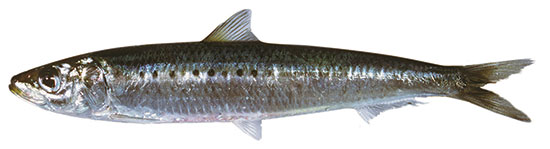
Here are a few points of interest from this most recent (March 2026) D’Agostino interview:
-
Dom has been in nutritional ketosis for 2 decades
-
His hsCRP test as an inflammatory marker and biomarker of cardiac health is currently at a value of “nd” - non detectable (I’m interested in cardiac biomarkers)
-
He references Walter Longo’s work in fasting mimicking diets, and Rina, the host of the podcast, references Dr. Boz and her 72-hour sardine diet reset advice
-
Dom adds that a 72-hour sardine fast can have beneficial metabolic and physiologic responses that can last for 6 to 8 weeks
-
The ways the sardine eating works are: reduced energy intake (energy fasting reverses energy oversupply toxicity), hunger is controlled by elevated ketones (I wonder about the GI incretin - GLP/GIP effects), adequate protein, and boosted Omega-3 fatty acids, along with marine minerals from the seafood source.
-
Heavy metal dose is low from eating small fish (sardines and mackerel)
-
Fishy taste can be neutralised by adding a few tablespoons of Apple Cider Vinegar (ACV). I like sardines, but tried this and it did work, I liked the flavour change
-
The vinegar is a short chain fatty acid that slows stomach and gut transit, reducing hunger and increasing satiety
-
Dom also adds medium chain triglycerides (MCT) to a two sardine can foundation with the ACV
-
The sardine fast drops insulin requirements quickly, thus reducing circulating blood insulin
-
Reduced insulin allows the release of the glucagon hormone (GLP-like effect), which then switches on the conversion of fats, dietary and stored body fat, into blood ketones and free fatty acids. It flips the body into fat burning and ketone production at a higher rate
-
To monitor a therapeutic effect at home during a 72-hour sardine fast n=1 self-experiment, serial blood glucose and blood ketone tests can be used (finger prick tests. I use the Abbott Labs Freestyle blood monitor that I bought from the local pharmacy in 2013 when I started with nutritional ketosis, and it still does the job)
-
The blood droplet numbers are calculated as blood glucose result (mmol/l) divided by blood ketone result (mmol/l). This ratio is known as the Glucose Ketone Index (GKI). The aim is to keep the GKI between 1 to 4, for the 72 hours.
-
The GKI you may recognise from the work of Dr. Thomas Seyfried from the work of Dr. Sofia Clemens from Paleo Medicina in Hungary. It’s used in monitoring the ketogenic response in patients with serious medical conditions
-
The link back to Dom D’Agostino is Dom’s work in medical seizure control research
-
Dr. Boz has adapted the GKI into a “Dr Boz Ratio” that works with the American mg/dl units for the blood glucose measurement. But it might just be easier to get AI to convert the US mg/dl result to mmol/l to get the GKI ratio numbers used by Dom
-
 Here is a side note about broccoli - Dom is animal-based carnivore-ish ketogenic eater. He eats seared steaks. A problem for we steak eating people is the toxic cyclichexamine products that occur with the searing oxidising glycation of the meat surface, the darkened areas. Those cooking compounds are part of the argument by plant-based advocates as to why red meat is cancer causing. By adding a garnish amount of broccoli to the steak that potential toxicity is neutralised by the biochemicals in the broccoli.
Well that’s it, and it’s too long. As well as being a bit rude of me to use a forum post as a journaling exercise. My blood glucose at the end of writing this is 5.1mmol/L and my blood ketones are 0.4mmol/l. I’m not hungry and have not yet had breakfast. My heart rate is 60bpm. My GKI is 12.75, so not yet at 4, which would be the start point for the 72-hour experiment clock.
 Good stuff, FrankoBear.